
How Geo-Targeted Content Boosts Local SEO
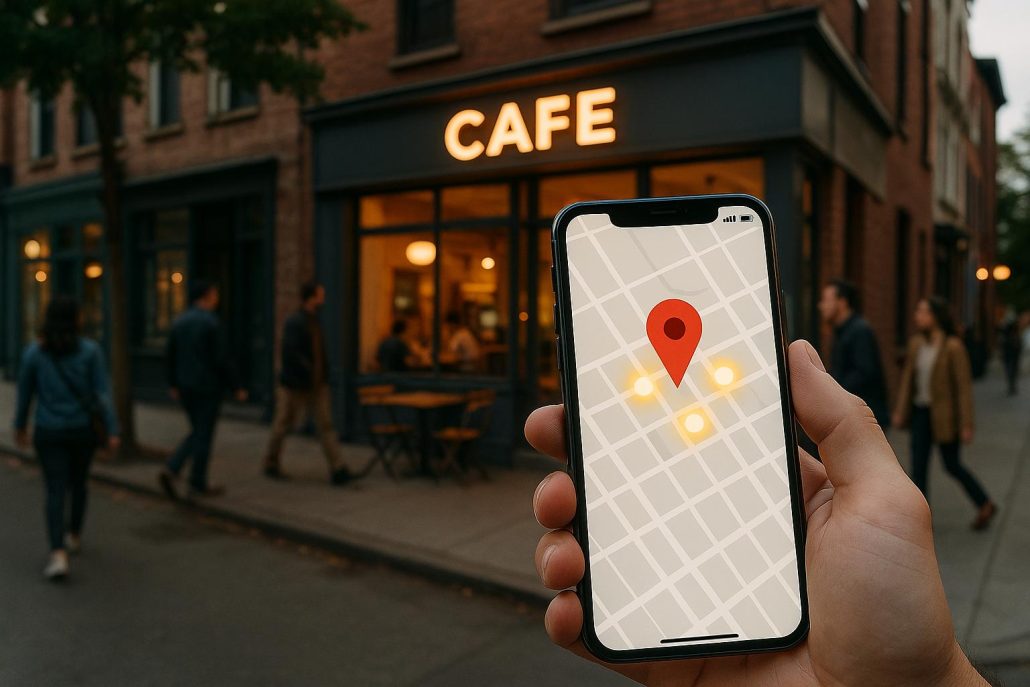
Geo-targeted content is a powerful tool for improving local SEO and connecting with nearby customers. By creating location-specific content like city landing pages, local blog posts, and tailored service descriptions, businesses can rank higher in "near me" searches and drive more traffic, calls, and visits.
Key Takeaways:
- Why It Matters: 97% of consumers search for local businesses, and 76% of mobile local searches lead to a purchase.
- What Works: Use location-specific landing pages, keywords, and accurate business information to meet local needs.
- Benefits: Better rankings, increased engagement, and stronger local brand recognition.
Businesses that invest in geo-targeted strategies can attract more qualified leads and stand out in their communities.
Research-Backed Benefits of Geo-Targeted Content
Better Local Search Rankings
Geo-targeted content helps businesses climb the ranks in local searches by tailoring website content with location-specific keywords and creating dedicated landing pages. These strategies signal to search engines that the business is relevant to local users. Pairing this with mobile-friendly design makes it even easier for nearby customers to find you.
More Local Engagement and Sales
When your local search rankings improve, the next step is increased interaction with local audiences. Content tailored to specific neighborhoods, location-based service pages, or updates about local events can drive more traffic to your website. This often translates into more customer inquiries and higher sales. For service providers, this could mean more phone calls, while retailers might see a boost in foot traffic thanks to a robust local online presence.
Stronger Local Brand Recognition
Consistent engagement through geo-targeted content doesn’t just drive traffic – it also solidifies your brand’s local identity. Sharing location-specific stories or addressing community interests makes your business more visible on local platforms and social media. This kind of connection builds trust, encourages customer loyalty, and sparks word-of-mouth recommendations, giving your business a competitive edge in the local market.
How To SEO Optimize Location Landing Pages For #1 Rankings 2024 (Full Checklist)
Key Parts of Effective Geo-Targeted Content
These three elements are crucial for building a strong local SEO strategy. They ensure search engines can pinpoint your business location and connect you with nearby customers actively searching for your services.
Location-Specific Landing Pages
Creating dedicated landing pages for each area you serve can improve your local search rankings. Instead of cramming multiple locations into a single page, focus on individual pages tailored to specific cities or neighborhoods.
For instance, a plumbing company could create pages like "Emergency Plumbing Services in Downtown Austin" or "Residential Plumbing Repair in Cedar Park, TX." Make sure the city or neighborhood name appears naturally in the page title and throughout the content.
Avoid using cookie-cutter content with minor tweaks. Instead, include local details that resonate with the community. A landscaping company, for example, might discuss local soil types, popular tree species, or seasonal challenges unique to the area.
Add local testimonials and case studies to further establish trust. Highlight satisfied customers from the area and reference recognizable landmarks, businesses, or neighborhoods.
Location-Based Keywords
Focus on the specific terms locals use when searching for services in their area. These often include "near me", city names, or even neighborhood nicknames. For example, residents might say "South Bay" instead of the official city name. These hyper-local terms often face less competition and lead to higher conversion rates.
Long-tail location keywords are especially effective. Instead of targeting a broad term like "dentist", aim for phrases like "family dentist in Westfield" or "emergency dental care downtown Indianapolis." These longer phrases show stronger intent and are more likely to convert.
Use these location-based keywords strategically throughout your content, including in headers, meta descriptions, and image alt text. However, always prioritize readability. Write for people first and let the keywords flow naturally. Pair these efforts with consistent business listings to strengthen your local online presence.
Local Business Information
Consistency is key when listing your business information online. Your business name, address, and phone number (NAP) should match exactly across all platforms. This consistency builds credibility with search engines and helps customers find you easily.
Use standard US address formatting with proper ZIP codes and state abbreviations (e.g., "123 Main Street, Suite 200, Chicago, IL 60601"). Similarly, ensure your phone numbers follow standard US formatting (e.g., (555) 123-4567).
Be specific about your service areas. Instead of vague phrases like "serving the greater metro area", list cities, neighborhoods, or ZIP codes. For example: "Serving Arlington, Alexandria, Falls Church, and surrounding Northern Virginia communities within 15 miles of our Fairfax location."
Don’t forget to include hours of operation in local time zones, using AM/PM formatting. Include any special holiday hours or seasonal changes that might affect your customers.
Lastly, consider adding localized contact details beyond your main business line. This could include a local fax number, department-specific extensions, or city-specific email addresses (e.g., info.dallas@yourbusiness.com). These small touches can enhance your local relevance and customer trust.
sbb-itb-0a5855c
Case Studies and Success Stories
When it comes to geo-targeted content, nothing highlights its effectiveness better than success stories from businesses that have nailed local SEO strategies.
Local SEO Success Stories
Case studies reveal that creating hyper-local landing pages, using location-specific keywords, and incorporating authentic local details can do wonders for search rankings. These tactics not only attract steady traffic but also lead to higher engagement. Companies that tie their content to local events, seasonal activities, and neighborhood-specific traits often experience noticeable gains in both visibility and sales.
Lessons from Successful Businesses
The key to success lies in focusing on hyper-local relevance. Instead of casting a wide net over entire metropolitan areas, businesses see better results by tailoring content to specific neighborhoods or ZIP codes. Crafting unique content for each location – complete with accurate local contact information and nods to community details – has proven to be a game-changer.
What’s more, businesses that keep a close eye on their local rankings and adjust their strategies based on performance data often enjoy sustained growth. By driving targeted traffic and improving conversion rates, these companies demonstrate how refining geo-targeted strategies over time can yield lasting success. These examples provide valuable insights into overcoming the hurdles of implementing geo-targeted content effectively.
Challenges and Requirements for Implementation
Geo-targeted content can be a game-changer for local SEO, but for many US small businesses, turning this strategy into reality often comes with its own set of hurdles. Knowing these challenges and understanding what’s needed for success can be the difference between building a strong local presence and wasting time and resources.
Common Problems and Solutions
One of the biggest obstacles is resource allocation. Small businesses often lack the time or manpower to cover every location they serve. The key is to start small and focus on high-value areas first. Identify your most profitable service locations and create content tailored to those, expanding gradually instead of trying to do everything at once.
Another issue is content duplication. Search engines frown on pages that recycle the same content across multiple locations. To avoid penalties, businesses need to create unique, location-specific content. This could mean addressing local regulations, highlighting area-specific services, or tailoring offerings to meet the needs of a particular community.
Tracking and measuring results can also get tricky when managing multiple campaigns. To simplify this, leverage analytics tools with location-specific filters. These tools can help you monitor performance by region and adjust strategies accordingly.
Then there’s the challenge of technical implementation. Tasks like setting up schema markup, managing multiple location pages, and keeping your NAP (Name, Address, Phone) consistent across platforms require a certain level of expertise. For business owners who lack this technical know-how, partnering with experienced professionals – like those at Green Forest Marketing – can make the process far more manageable.
Addressing these challenges strategically lays the groundwork for a successful geo-targeted SEO campaign.
What You Need for Success
To overcome these hurdles and thrive in local SEO, focus on these key elements:
- Accurate and consistent business listings: Your online listings need to match across the board. Use standardized formats for addresses and phone numbers, and include geographic details in your content to ensure search engines and customers can easily find you.
- Understanding local customer behavior: Success depends on knowing your audience. Research local search habits, seasonal trends, and community events. Tailor your content to reflect local dialects, preferences, and specific needs. Businesses that dig into these details create content that resonates more deeply with their audience.
- Building local link-building relationships: Partnering with local organizations, chambers of commerce, and complementary businesses can help generate backlinks that boost your site’s authority and relevance. These connections not only improve your rankings but also strengthen your ties to the community.
- Regular updates and maintenance: Local markets are constantly changing, and your content should keep up. Schedule periodic reviews of your location-specific pages to ensure they stay accurate and relevant. Update details about partnerships, community involvement, or area-specific promotions to reflect the latest information.
Businesses that treat geo-targeted content as a continuous effort rather than a one-off task often see steady improvements in local search rankings. Consistency, attention to detail, and a focus on local relevance are what drive long-term success in this space.
Conclusion: How Geo-Targeted Content Drives Local SEO Success
Geo-targeted content plays a key role for businesses in the US, helping them align with local search intent and attract high-converting traffic.
Here’s a compelling statistic: 76% of local mobile searches lead to a purchase. That means businesses ignoring geo-targeted strategies are potentially losing out on some of the most intent-driven customers – people actively searching for solutions nearby. These aren’t just casual visitors; they’re ready to take action, making them incredibly valuable.
By focusing on geo-targeted content, businesses can better address local customer needs. This can be achieved through strategies like creating location-specific landing pages, using local keywords, and keeping business information accurate and up-to-date. Even in markets dominated by larger national competitors, these tactics allow smaller businesses to carve out a competitive edge.
But the benefits go beyond just improving search rankings. Geo-targeted content can lead to higher conversion rates, greater foot traffic, and stronger recognition within the local community. When your content references local landmarks or addresses specific regional concerns, it builds trust and establishes your business as a reliable local authority.
To see consistent results, businesses need to treat geo-targeted content as an ongoing effort, not a one-and-done task. Regular updates, active participation in the community, and monitoring local search trends are essential to maintaining relevance. For companies that might not have the time or expertise to handle this internally, working with professionals – like Green Forest Marketing (https://greenforestmarketing.com) – can help turn these strategies into measurable results.
Investing in location-specific strategies isn’t just about ranking higher on search engines – it’s about building meaningful connections with your local audience. Geo-targeted content helps businesses capture qualified leads, increase sales, and create long-term relationships with their communities in today’s competitive digital world.
FAQs
How can small businesses create effective geo-targeted content for multiple locations?
Small businesses can craft impactful geo-targeted content by creating dedicated, localized pages for each of their locations. These pages should feature local keywords, mention nearby landmarks or events, and include messaging that speaks directly to the audience in that particular area. Incorporating structured data markup and fine-tuning Google Business Profiles can also boost a business’s local visibility.
To make this process more efficient, leverage keyword research tools to uncover search terms specific to each location and ensure the content reflects local interests. By maintaining consistent branding and focusing on genuine, community-focused messaging, businesses can establish trust and attract traffic from various locations.
How can I effectively use local keywords to improve my website’s local SEO?
To improve your website’s local SEO, start by focusing on page titles, meta descriptions, and headers. Incorporate local keywords – like the name of your city or neighborhood – into these elements to make them more relevant for local searches. Another great tactic is creating dedicated landing pages for each location you want to target. This helps you connect with specific local audiences while signaling to search engines that your content is relevant to those areas.
Don’t overlook the importance of consistent NAP (Name, Address, Phone) information. Make sure these details are uniform across your website and all online directories. Consistency in this data builds trust with search engines and can improve your visibility in local search results. Tools like Google Keyword Planner can also be a big help in finding the right local keywords to focus on.
By implementing these strategies, your website can perform better in local searches, helping you reach more customers in your area.
How does geo-targeted content help build local brand recognition and foster customer loyalty?
Geo-targeted content boosts local brand recognition and strengthens customer loyalty by crafting messages specifically designed for particular geographic areas. When businesses create content that resonates with local audiences, they establish a deeper connection with their community, making their marketing feel more timely and relevant.
This strategy allows businesses to differentiate themselves in their local market, earn customer trust, and encourage repeat visits by addressing the unique needs and preferences of their audience. Over time, this kind of personalized interaction builds stronger relationships and nurtures a loyal customer base.
